
3ie: Immunization RCT in Ethiopia
Overview
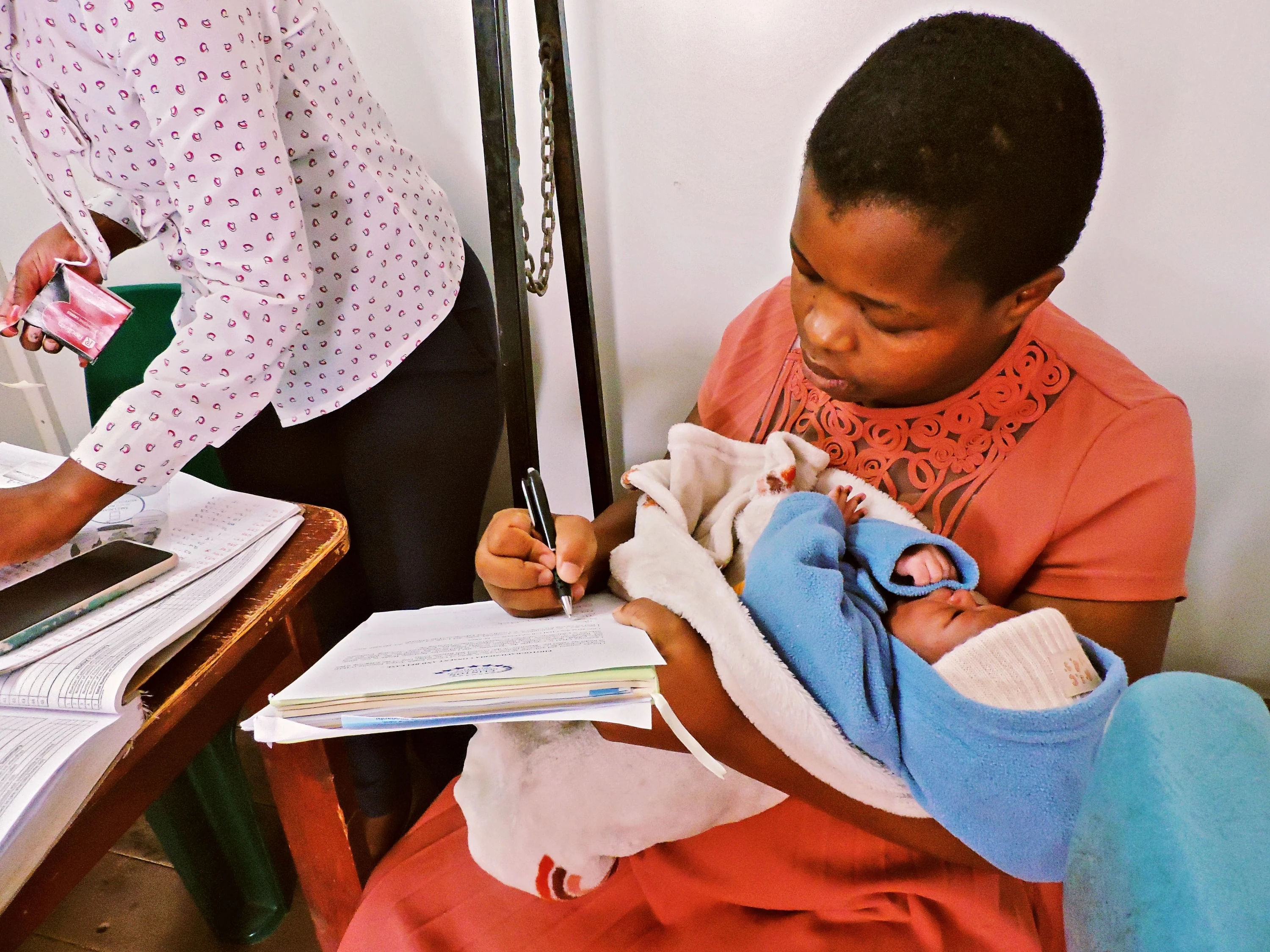
Zerihun Associates partnered with Marie Stopes International Ethiopia (MSI-E) and ideas42, a non-profit firm that uses behavioural science, to improve the immunization of Ethiopian children aged 12–13 months with all basic vaccinations. The consortium identified bottlenecks to immunization, then designed and implemented an intervention that aimed to apply a behavioural science approach to increase uptake of all relevant vaccines for children under one year.
For the International Initiative for Impact Evaluation (3ie), Zerihun Associates carried out an impact evaluation to provide evidence on the efficacy of supportive feedback coupled with non-monetary incentives in engaging Health Extension Workers (HEWs) and their communities to raise immunization rates.
The interventions focused on HEWs and the communities they serve. With supportive feedback, each HEW received feedback on her performance with clear, actionable steps to spur action. HEWs who performed well also received positive recognition, through non-monetary incentives, for serving their community.
Objectives
The evaluation addressed two questions:
- how to engage communities by using behaviourally informed feedback to mobilise HEWs around improving immunization rates
- how to create a positive reinforcement loop for those improvements using non-monetary rewards
Approach
The impact evaluation was a randomised controlled trial (RCT), with random assignment to treatment and control groups at the level of the health post. A recent household census of health post catchments, conducted by the Health Extension Program of the Regional Government, served as the sampling frame. Within each health post's catchment, 30 households with children under three were randomly sampled. The same households were surveyed again at follow-up, including all households with children under five, to capture the same cohort of children targeted at baseline. Qualitative data on HEW service provision were collected from HEWs in each of the 90 health posts during the baseline and follow-up surveys.
Zerihun Associates designed the household and HEW questionnaires and the survey methodology in consultation with the MSI-E team, and designed the sampling and impact identification strategies. It recruited and trained enumerators, supervisors and coordinators before fieldwork, and cleaned and analysed the baseline dataset. The questionnaires covered household background and socio-economic and health status, with the main focus on health-seeking behaviour and immunization levels. Zerihun Associates translated them into Afaan Oromo, the common language of the study areas. Data were collected electronically on tablets and analysed in Stata.
Implementation faced challenges. The Ethiopia Child Immunization and Information Network was never fully funded and was cancelled, so SMS could not be included in the final intervention. The political situation, including unrest in Oromia, delayed the training, and the mobile intervention was not implemented because of internet inaccessibility during the state of emergency. The unrest also made it difficult for MSI-E to carry out all monitoring activities and for Zerihun Associates to complete the post-intervention qualitative interviews. As a result, monitoring of exposure to treatment was not implemented according to the pre-analysis plan.
Quality assurance
The 3ie grant terms required a pre-analysis plan, a sampling design with power calculations, ethics (IRB) and government approvals before enrolment, and public release of anonymised data and code.
Scale and coverage
- 2,700 household surveys, equally split between treatment and control communities
- 90 key informant interviews with HEWs
- 90 health posts in 12 woredas of the Arsi and East Shewa zones of Oromia
Deliverables
Zerihun Associates produced the baseline report and presented it to donors. It delivered cleaned datasets and reports for the baseline and follow-up surveys, and presented the findings to various stakeholders. The evaluation report is available on the 3ie website.
Results and use
The evaluation was designed to inform scalable community-engagement strategies and to support evidence uptake by government and implementing partners.
Project Details
- Client
- International Initiative for Impact Evaluation (3ie)
- Location
- Arsi & East Shewa Zones, Oromia, Ethiopia
- Period
- Jan 2016 – Dec 2019
- Status
- Completed