
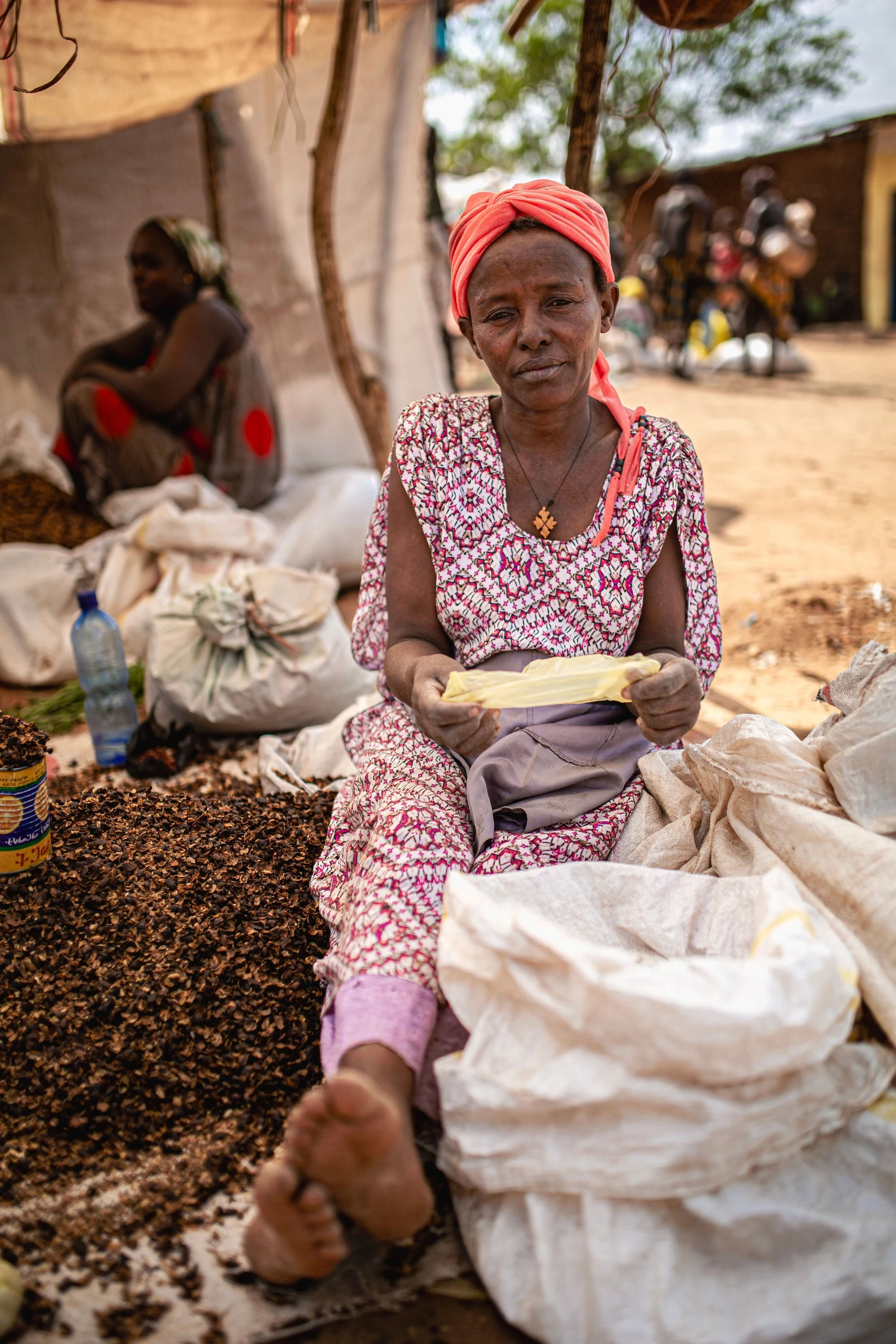
EatSafe Ethiopia: Baseline Assessment (Hawassa)
Overview
Evidence and Action Towards Safe, Nutritious Food (EatSafe) is an initiative of the Global Alliance for Improved Nutrition (GAIN) that generates evidence and knowledge to improve the safety of nutritious foods available in informal market settings in low- and middle-income countries. The five-year programme is funded by USAID and carried out by a consortium led by GAIN. In Ethiopia, EatSafe activities centre on markets in the Sidama region, particularly in Hawassa.
Phase 1 of EatSafe was formative research on consumer and vendor perceptions, needs and choice drivers in traditional markets, and on foodborne hazards associated with the market and target food commodities. Phase 2 involves the implementation and rigorous testing of interventions to improve the safety of foods purchased in traditional markets. As part of Phase 2, GAIN contracted Zerihun Associates to conduct the baseline assessment, to better understand how consumers and vendors perceive and make decisions on food safety in the context of their food purchasing and vending choices and practices.
Objectives
The baseline assessment aimed to evaluate knowledge, attitudes and practices relevant to food safety among market consumers and vendors, and to document vendor practices, so as to inform Phase 2 interventions and future tracking.
Approach
The baseline covered a range of commodities sold in the market, with a focus on tomato, kale and lettuce, and both consumers and vendors, with clear inclusion and exclusion criteria for each group. It had four data collection components:
- Vendor listing: recruitment of eligible vendors against eligibility criteria set beforehand.
- Vendor survey: a short survey of eligible vendors selected from the listing.
- Vendor observation: observation of eligible vendors using a checklist received from GAIN, with separate eligibility criteria.
- Consumer survey: a short survey of eligible consumers found at the vendors' venues.
Zerihun Associates worked closely with GAIN to prepare a detailed fieldwork plan, provided expert input into the design of the data collection methodology and tools, and customised them to local contexts. The team translated the questionnaires into Amharic, Afaan Oromo and other local languages as needed, programmed them for computer-assisted personal interviewing (CAPI) in SurveyCTO and pre-piloted them to identify inconsistencies in language, tone, structure and design. It trained and deployed 20 data collectors, four supervisors and quality auditors.
During enrolment, misinformation and rumours led some vendors and consumers to hesitate or refuse to be interviewed. Zerihun Associates provided letters to kebele and market committees asking them to be present on market days to help explain the study, and advertisements were broadcast in selected marketplaces, which made enrolment smoother. Because the quota for male vendors was harder to reach, substitutions were made and additional female vendors were enrolled to meet the sample requirements.
Quality assurance
The quality plan provided for supervisor checks and field visits, 25% call-backs, Power BI dashboards to track progress and quality, data cleaning in Stata, high-frequency checks and consent protocols.
Scale and coverage
- 236 vendor surveys, 230 consumer surveys and 113 vendor observations in Aroge market, Hawassa
- A field team of 20 data collectors and four supervisors
Deliverables
Zerihun Associates delivered:
- a detailed fieldwork plan
- customised and translated data collection tools
- trained field teams
- data collection with active supervision
- secure data storage and transfer to GAIN
- preliminary data summaries
It also contributed to the project reports. The agreed deliverables further included a QA/QC report and the final cleaned datasets.
Results and use
Outcomes included a comprehensive baseline assessment report with insights into food safety perceptions and practices in Hawassa markets, and recommendations for improving food safety interventions in traditional markets. The baseline was designed to guide EatSafe interventions and to provide a programme baseline for monitoring.
Project Details
- Client
- Global Alliance for Improved Nutrition (GAIN)
- Location
- Hawassa, Ethiopia
- Period
- Jan 2023 – May 2023
- Status
- Completed